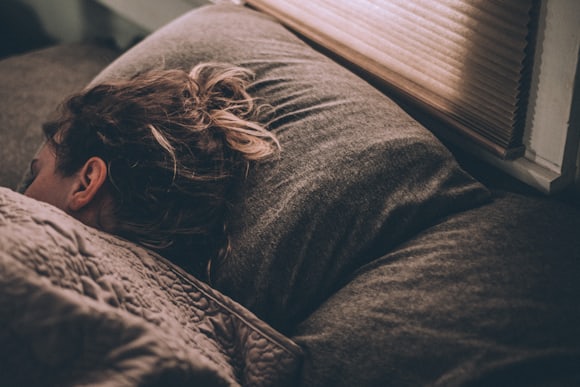
Sleep & Physical Performance
The Sleep Health Foundation of Australia recommends 7–9 hours of sleep per night for adults aged 18–64. Research consistently links adequate sleep duration and quality with improved physical performance, better decision-making, and more effective recovery from training.
Chronic sleep restriction (consistently sleeping fewer than 6 hours) has been associated with impaired glucose metabolism, increased perception of effort during exercise, and reduced capacity for muscle repair.
Practical Sleep Hygiene
Sleep hygiene refers to behavioural and environmental practices that support consistent, restorative sleep. While individual responses vary, the following strategies are supported by sleep research:
- Maintain a consistent sleep and wake schedule, including on weekends, to support circadian rhythm stability.
- Reduce exposure to bright screens (phones, tablets, computers) for at least 30–60 minutes before bed, as blue light can suppress melatonin production.
- Keep the bedroom cool (approximately 18–20 °C is commonly recommended), dark and quiet.
- Avoid caffeine consumption in the 6–8 hours before your intended sleep time, as caffeine's half-life can extend to 5+ hours in some individuals.
- Limit alcohol before bed — while alcohol may accelerate sleep onset, it tends to reduce sleep quality during the second half of the night.
Hydration for Recovery
Fluid replacement after exercise supports the restoration of blood volume, nutrient transport and thermoregulation. A general guideline is to consume 1.25–1.5 litres of fluid for every kilogram of body weight lost during exercise. This accounts for ongoing losses through respiration and perspiration after the session ends.
Daily Fluid Reference
| Group | Adequate Intake (NHMRC) |
|---|---|
| Men 19–70 years | 2.6 L/day (approx. 10 cups) |
| Women 19–70 years | 2.1 L/day (approx. 8 cups) |
| During exercise (<60 min) | 150–250 mL every 15–20 min |
| During exercise (>60 min) | As above + electrolytes |
Urine colour can serve as a rough indicator: pale straw suggests adequate hydration, while dark yellow or amber may suggest a need for more fluid intake.
Active Recovery
Active recovery involves low-intensity movement on rest days. This can include walking, light cycling, gentle swimming or a mobility-focused yoga session. The purpose is to promote blood flow to muscles without imposing additional training stress.
Evidence for specific active recovery protocols is mixed — some studies show modest reductions in perceived soreness, while others show minimal measurable benefit beyond passive rest. However, light movement on rest days is generally well-tolerated and may support psychological recovery by maintaining routine.
Sample Active Recovery Day
- 10-minute walk at a comfortable pace
- 10 minutes of the mobility sequence outlined on the Movement page
- 5–10 minutes of foam rolling on major muscle groups (quadriceps, hamstrings, upper back, calves)