Science-led nutrition & fitness guidance · Based in Australia
Fresh fruits and vegetables at an Australian market
NourishLab Australia

Eat Well. Move Often. Understand Why.

Practical, evidence-backed guidance on balanced nutrition, physical training and daily wellness — tailored for the Australian lifestyle.

Explore Topics

Your Starting Points

Each resource area is built on verifiable nutritional and exercise science.

Meal preparation with fresh ingredients on a bench

Meal Planning & Prep

Weekly meal frameworks using seasonal Australian produce. Balanced macronutrients, realistic time investment.

Read Guide
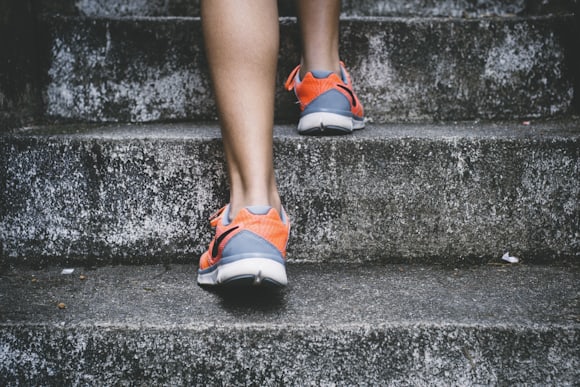
Runner on an outdoor trail

Movement & Training

Structured programmes for strength, endurance and flexibility.

Browse Routines
Calm bedroom setting promoting quality sleep

Recovery & Rest

Sleep, hydration and active recovery strategies backed by evidence.

Learn More
Plate with balanced portions of protein, grains and vegetables

Macros & Energy

Understanding calories, protein, fats and carbohydrates.

View Tables
Vibrant vegetable display at a farmers market

Smart Pantry Staples

Stock your kitchen with versatile, nutrient-dense ingredients. A practical reference for grocery shopping and food storage.

Pantry Guide
Quick Picks

Featured Recipes

Three balanced meals to get you started this week.

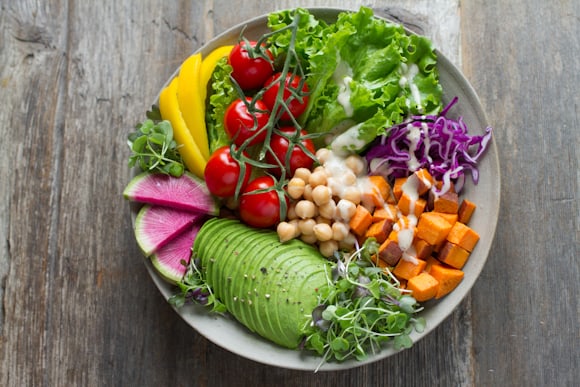
Grain bowl with roasted vegetables and greens
Lunch

Roasted Pumpkin & Quinoa Bowl

410 kcal · 16 g protein · 25 min prep

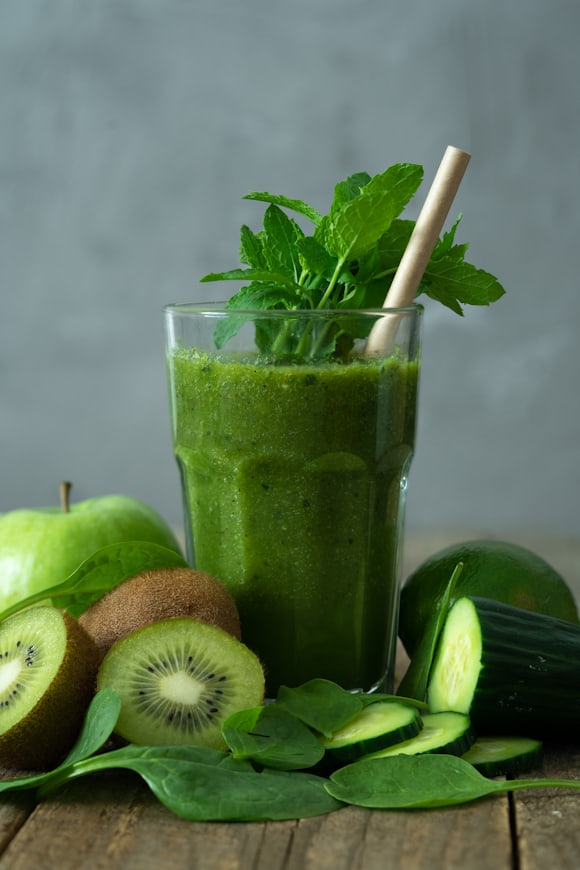
Green smoothie in a glass with leafy garnish
Breakfast

Spinach & Mango Smoothie

260 kcal · 12 g protein · 5 min prep

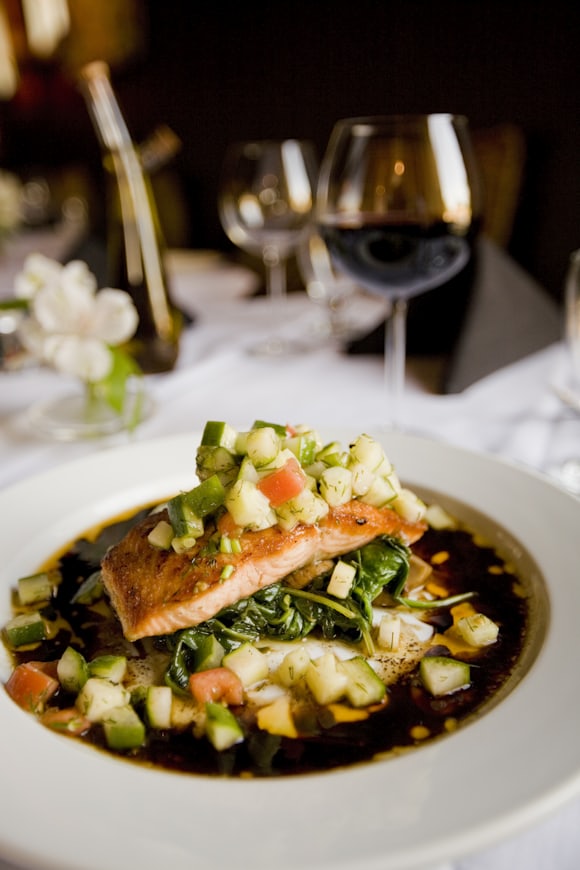
Grilled fish with greens and sweet potato
Dinner

Herb-Crusted Barramundi

480 kcal · 34 g protein · 30 min prep

Common Questions

Frequently Asked

How many calories should I eat per day?
Daily energy requirements vary widely based on age, sex, body composition and activity level. Australian dietary guidelines suggest approximately 8,700 kilojoules (about 2,080 kcal) per day as an average adult reference. However, individual needs can range from 1,600 to over 3,000 kcal. A qualified dietitian can help determine an appropriate range for your circumstances.
Is it necessary to count macros?
Not for everyone. Macro tracking can be a useful awareness tool for specific goals such as athletic performance or body composition changes, but it is not essential for general health. Focusing on whole foods, adequate protein, vegetables and consistent eating patterns often achieves meaningful results without detailed tracking.
How much water should I drink in Australia's climate?
The NHMRC recommends approximately 2.6 L/day for men and 2.1 L/day for women as adequate intakes (including water from food). In hot or humid conditions — common across much of Australia — or during exercise, requirements increase. Monitoring urine colour (pale straw indicates adequate hydration) is a practical daily check.
Do you guarantee specific health results?
No. Health outcomes depend on many individual factors including genetics, existing conditions, sleep, stress and consistency. NourishLab provides evidence-based information and guidance, but we do not make promises about specific results. We encourage readers to work with their own healthcare providers for personalised care.
Can I book a one-on-one consultation?
Yes. NourishLab offers individual and small-group consultations covering nutrition planning, training programme design and general wellness strategy. Use the contact form below to enquire about availability and session formats.

Ready for Personalised Guidance?

Our qualified consultants can help you build a plan that fits your life, goals and dietary needs.

Send an Enquiry
Get in Touch

Enquiry Form

We aim to respond within two business days.

Disclaimer: Content on this website is for general educational purposes only and is not medical advice. Always consult a qualified healthcare professional before modifying your diet or exercise programme. Individual results depend on many factors. NourishLab does not guarantee specific outcomes.